North Macedonian Railway

In 2022, I entered the train wagon depot in Skopje. It is a vast concrete hangar where dozens of non-functional train cars are stored. 

The air carries a persistent oily smell, and there is very little activity. A few workers move slowly through the space, while a family of stray dogs has found shelter inside one of the wagons. No one seems disturbed by their presence—in fact, they almost appear to be part of the place, quietly guarding it. 

I was told that among the decaying cars, there is one that remains closed off. It is said to have belonged to Josip Broz Tito. Apparently, each republic of the former Yugoslavia had its own specially equipped train carriage, and when Tito traveled, these cars would be assembled together into a single train. 
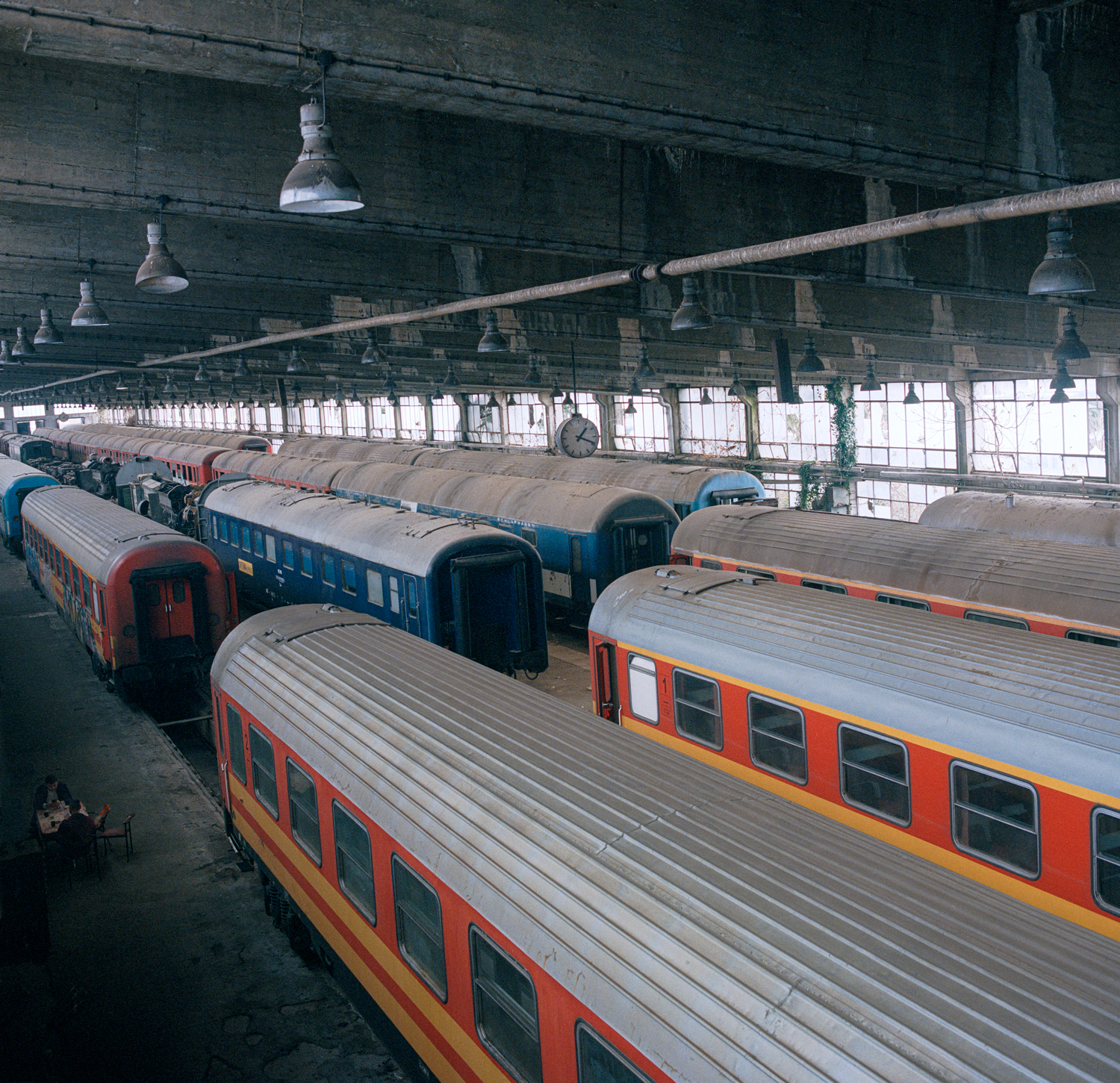
Skopje 2022-Wagon cemeteries
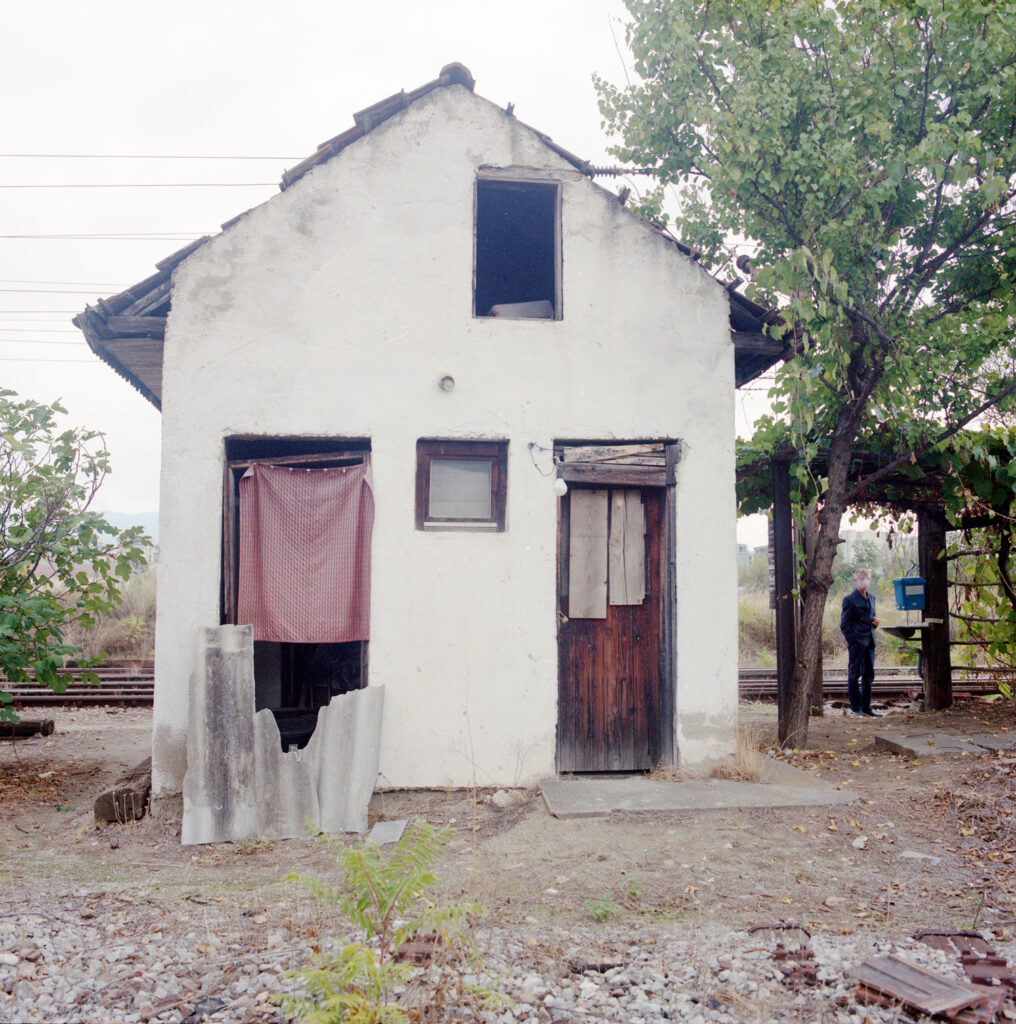
Skopje 2025-Nothing seems to changed since the Yugoslav era.

The railway system in North Macedonia was established in 1873 and significantly expanded during the Yugoslav period (1945–1990), when it formed a dense and functional network of about 925 km. At that time, rail transport was widely used, carrying 6.8 million passengers in 1986. 

Since independence(1991), however, the system has undergone severe decline due to neglect, mismanagement, and failed reforms. Today, its capacity is drastically reduced: only 467,000 passengers were transported in 2017, nearly 20 times fewer than in the past. In 2025 there were only 150 000. Infrastructure projects remain incomplete, leaving the country without rail connections to Bulgaria or Albania, and no active international passenger links. 

The operational condition of the system reflects this deterioration. Out of 47 passenger wagons, only 7 are functional, while around 60% of freight wagons are out of service, with an average age of over 40 years. The workforce has also collapsed—from 13,000 workers before 1990 to fewer than 1,000 today—leading to shortages of skilled staff and poor coordination. 

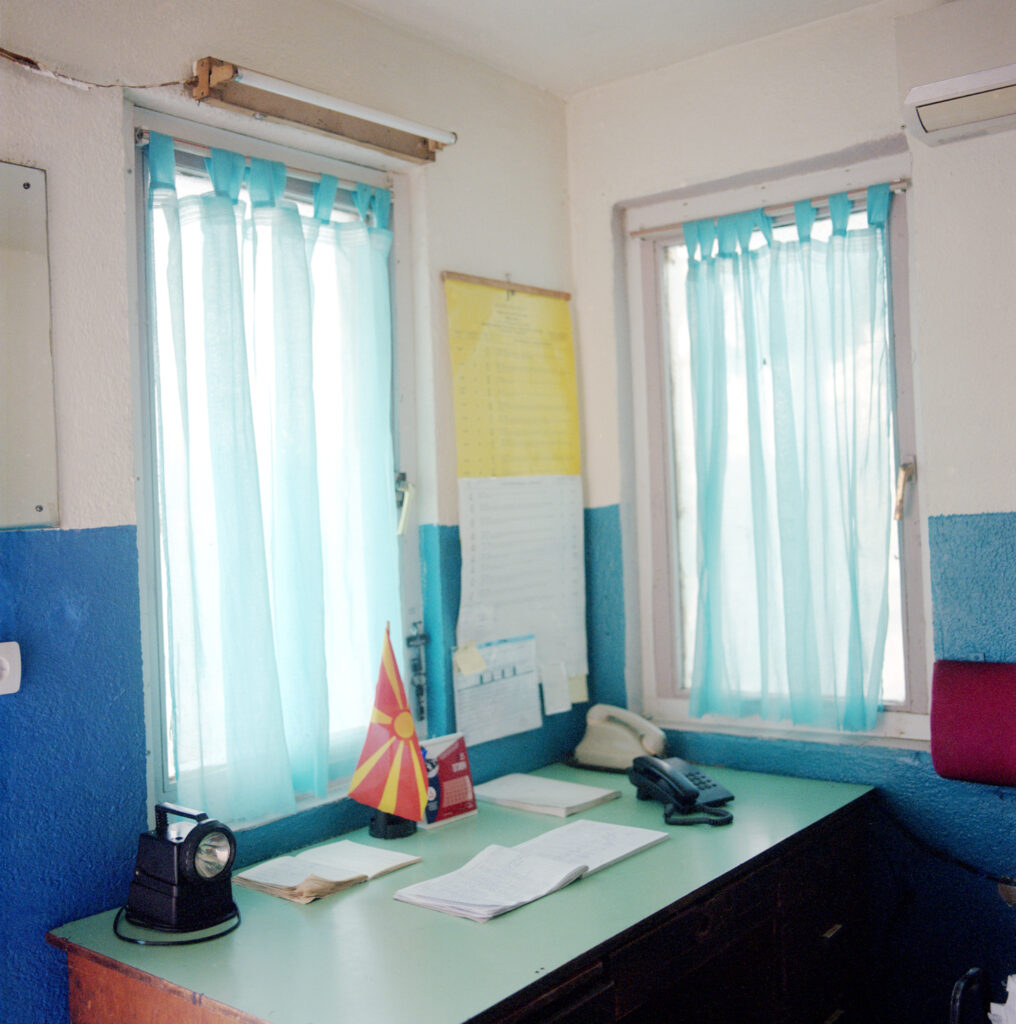
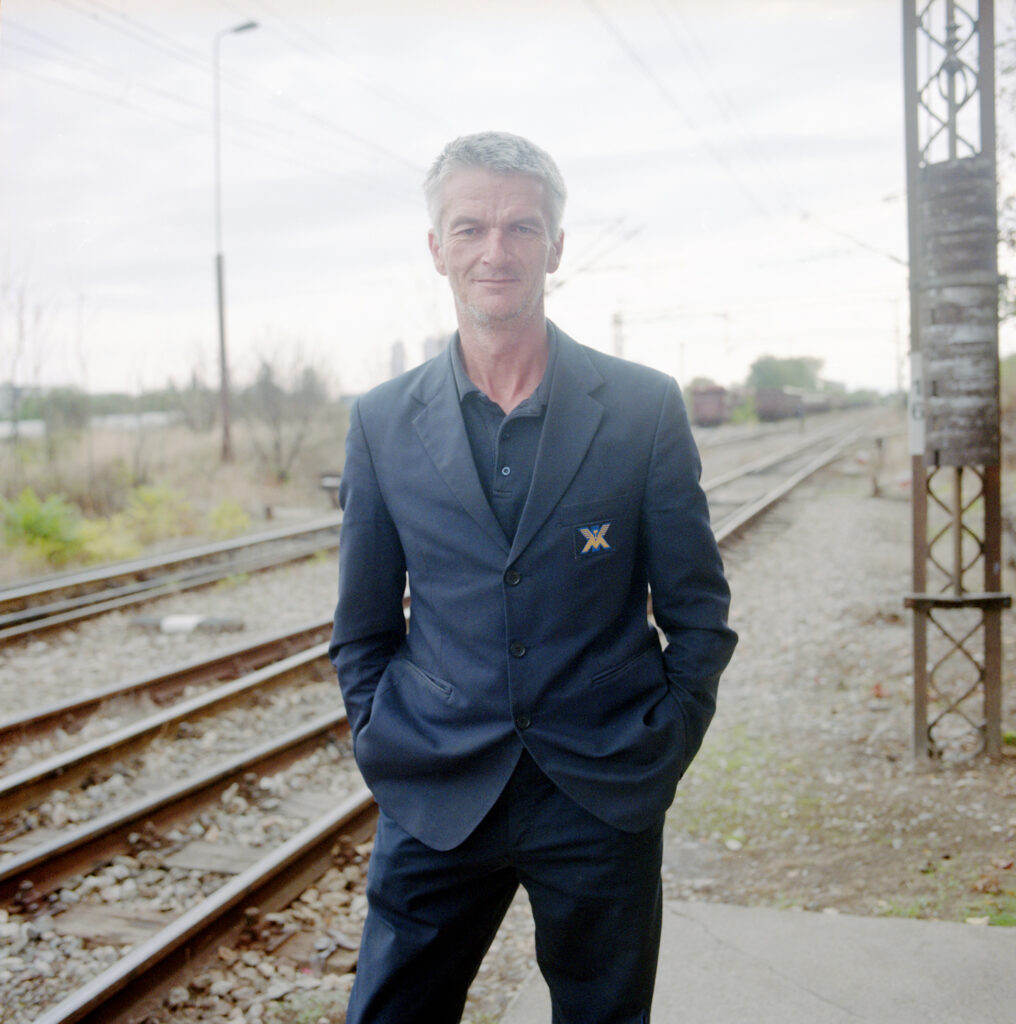
Skopje 2025-A railway employee waiting in his office for the passing of trains.