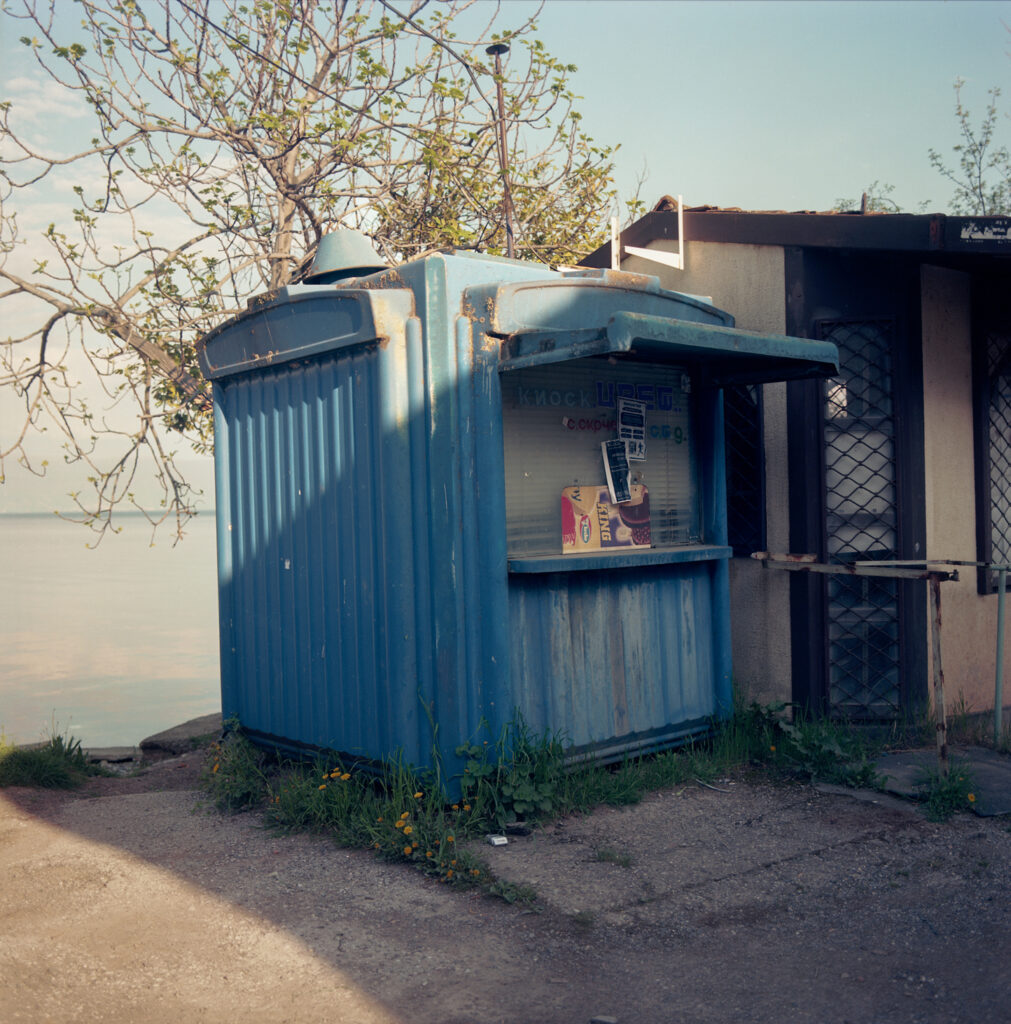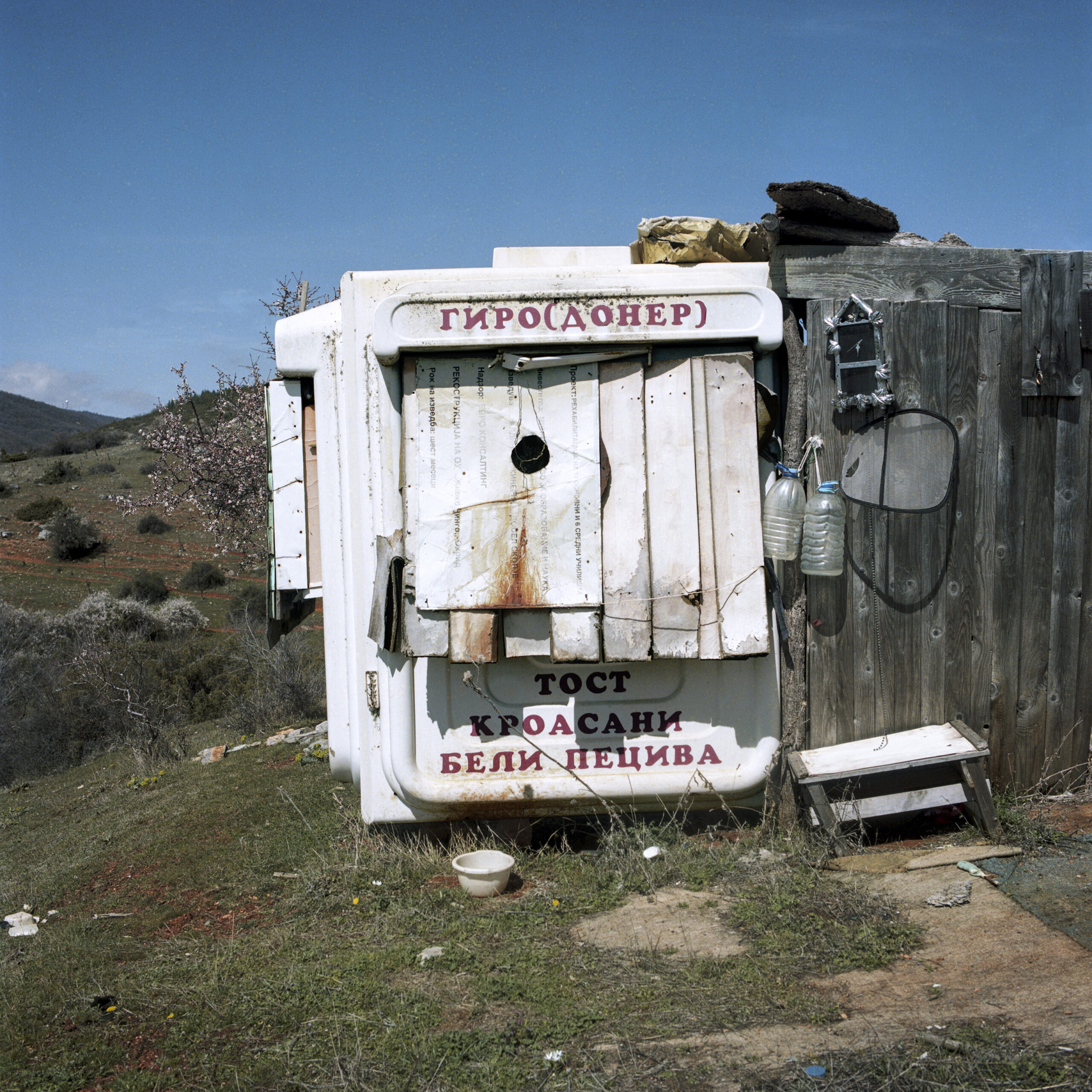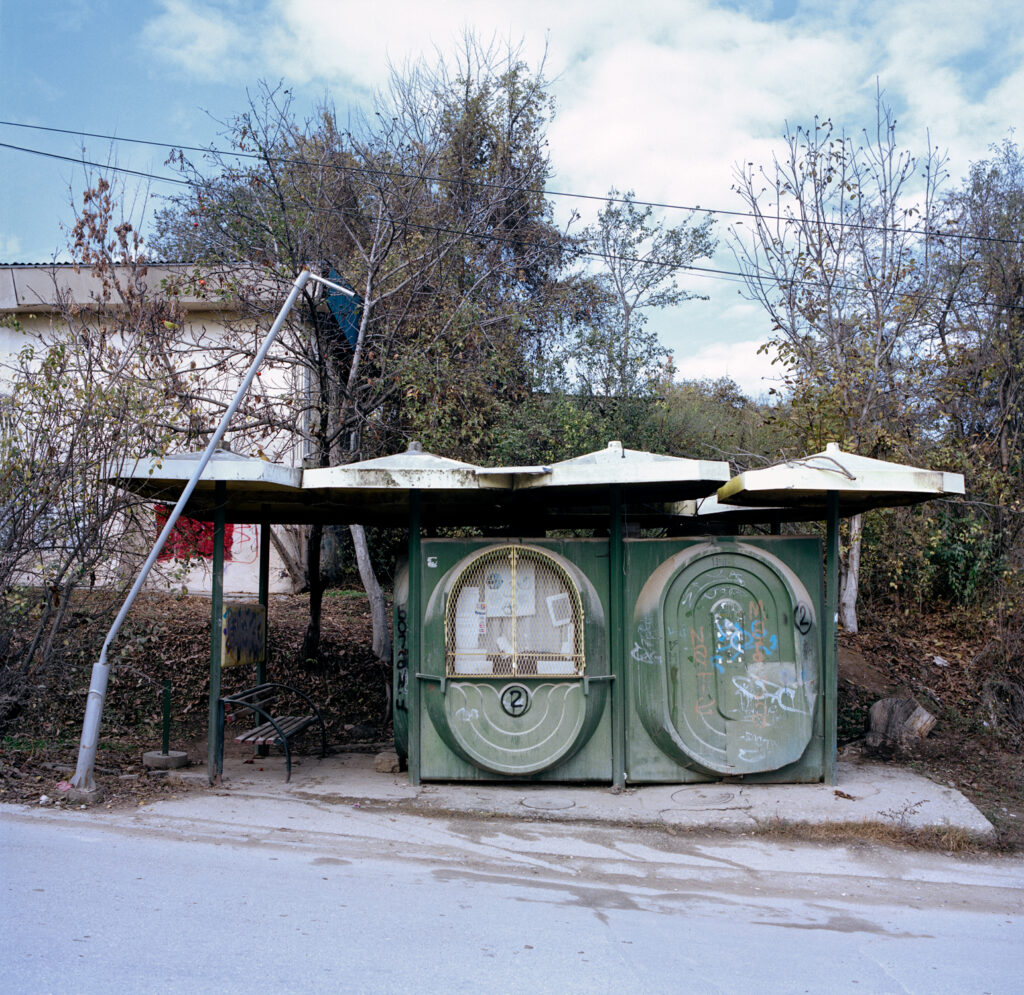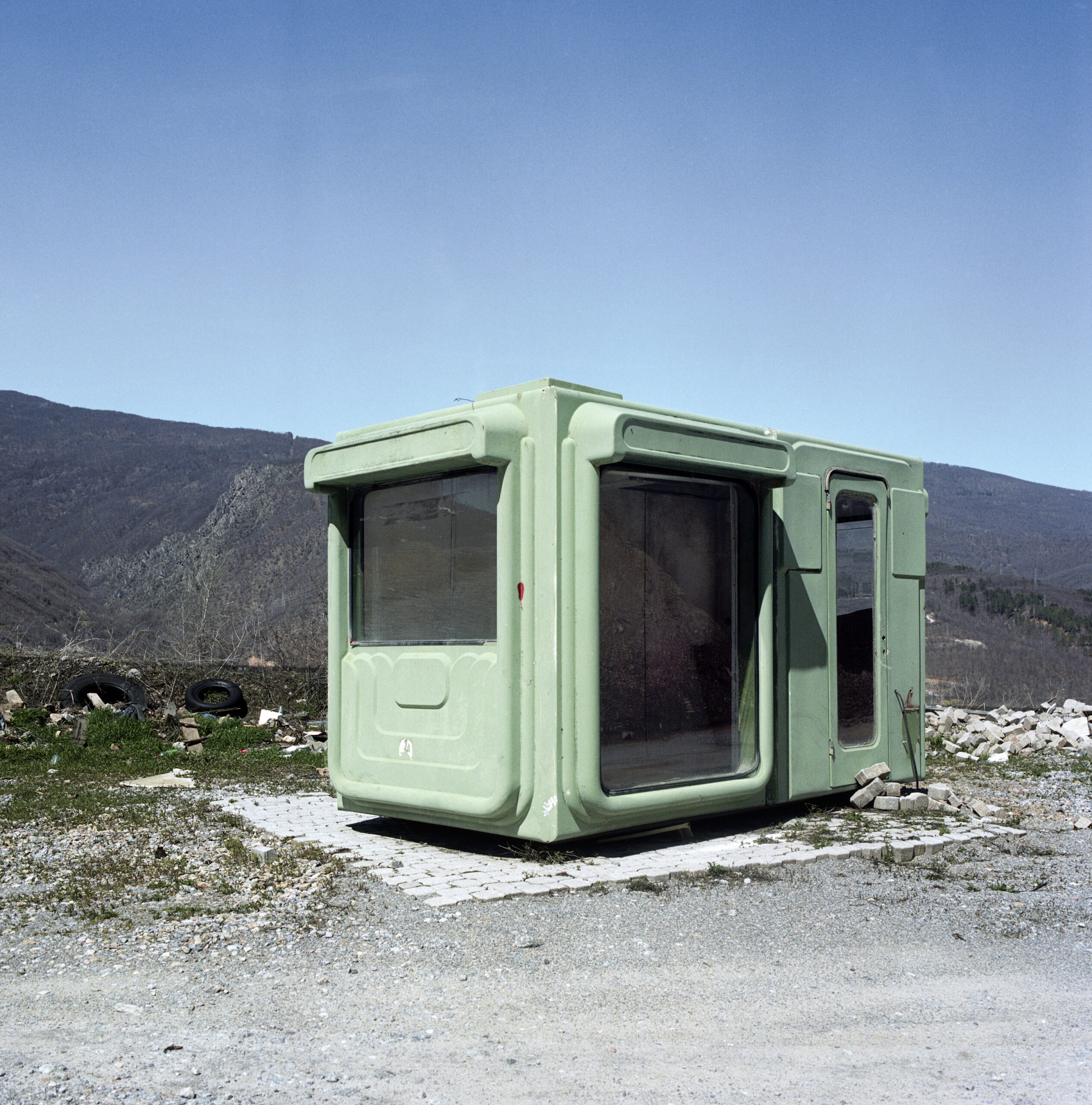
As a photographer, I focus on capturing objects that carry history, emotion, and collective memory. One such subject is the iconic K67 kiosk, that also carried the commun name of trafika, designed by Saša J. Mächtig in the late 1960s.
Born from an era of architectural experimentation, the K67 was not just a concept but a real, modular structure made of fiberglass. Its flexible design allowed it to adaptto many urban uses—from newsstands to food kiosks—spreading across the former Yugoslavia and even internationally. With its bright colors, rounded shapes, and futuristic aesthetic, it became a symbol of socialist modernism and everyday urban life. Even today, many units survive, often repurposed, carrying a strong sense of nostalgia.
Mächtig’s vision went beyond architecture: he treated small urban objects as essential parts of the city’s identity. His work bridged industrial design and public space, creating structures that were both functional and expressive.