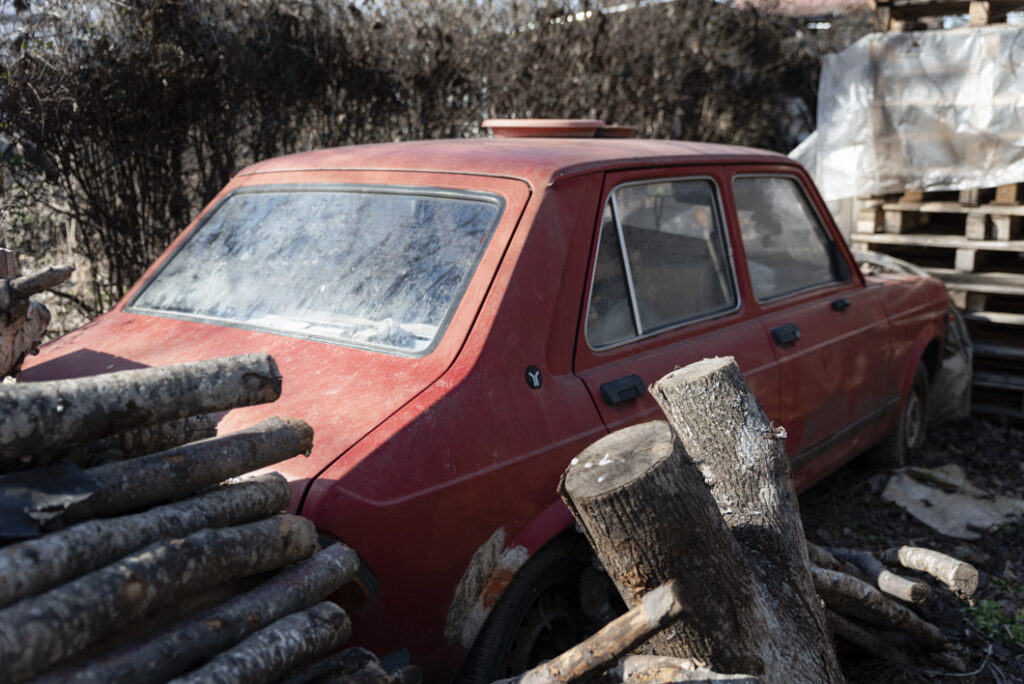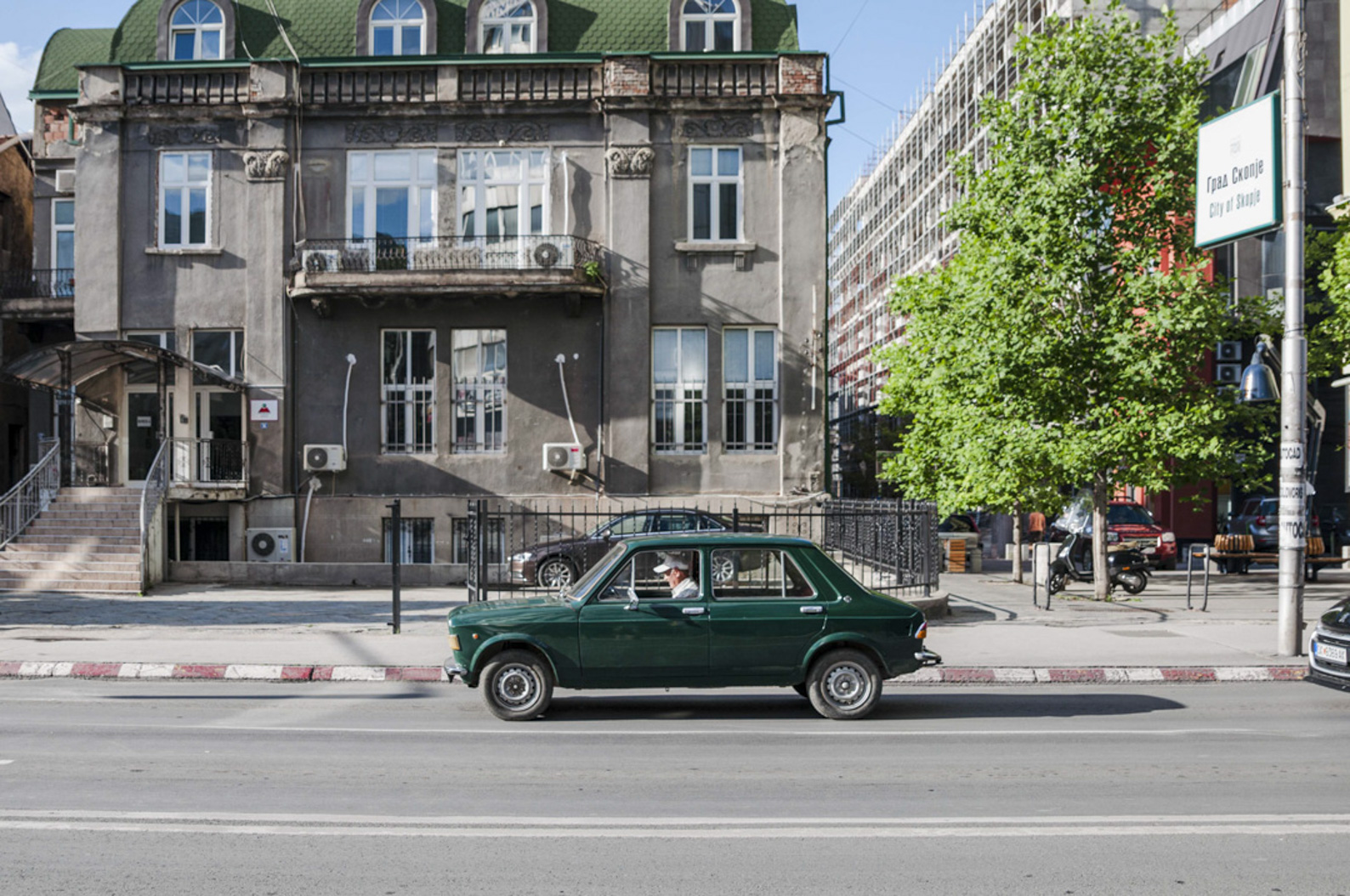
A blue Zastava 101 was the first car my father owned, back in 1986. He bought it secondhand, and it had apparently once been a police car. The engine was worn out, so together with his brother, he found a barely used replacement and installed it in the blue body.
He often proudly recalls how easy it was in the 1990s to drive from Skopje to the Adriatic coast—no problems, no borders. After the Yugoslav era, he mainly used the car for everyday local trips. As I remember, there was always something that needed fixing, but nothing was too complicated—he could repair most things himself.
After 24 years of use, corrosion had seriously weakened the bodywork, and he was forced to replace the car. He found another Zastava, this time a newer white Skala 128 model, and decided to install the same engine from his first blue car into it.
From 2010 to 2019, he continued driving it, eventually reaching more than 1,500,000 kilometers on the odometer. In the final years, he admitted to using low-quality oil, which the engine didn’t handle well. He replaced the engine once more, but only used it for three more years—bringing his long Zastava era to an end.